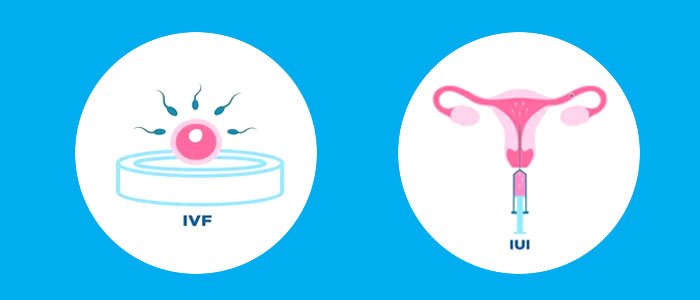
Key indications for considering IUI or IVF
Unexplained Infertility:In situations where a particular factor is not identified through conventional means of diagnosis, both IUI and IVF are applicable. IUI is commonly a first-line therapy, as it is less invasive, and IVF may be adopted as an option when the IUI cycle has not proven to be successful.
Male Factor Infertility: Both of the procedures can deal with male infertility. IUI works in mild to moderate abnormalities of men, because it concentrates sperm and puts them closer to the egg. IVF, seeded in particular by the use of intracytoplasmic sperm injection (ICSI), is very effective in severe male factor infertility, such as low sperm count, poor motility, versus abnormal morphology.
Ovulatory Dysfunction: IUI can be used in conjunction with the use of ovarian stimulation in women who have already failed to get results with ovulation induction based medicines and have a history of irregular and/or absent ovulation. IVF is a treatment option for when there are more complicated ovulation disorders or when other treatments don't work.
Tubal Factor Infertility: In case a woman is the owner of obstructed or scarred fallopian tubes, the inability to carry an egg and sperm to meet, the treatment of choice is IVF. IUI does not come in handy in such a situation because it involves open fallopian tubes, where fertilisation takes place in the body.