
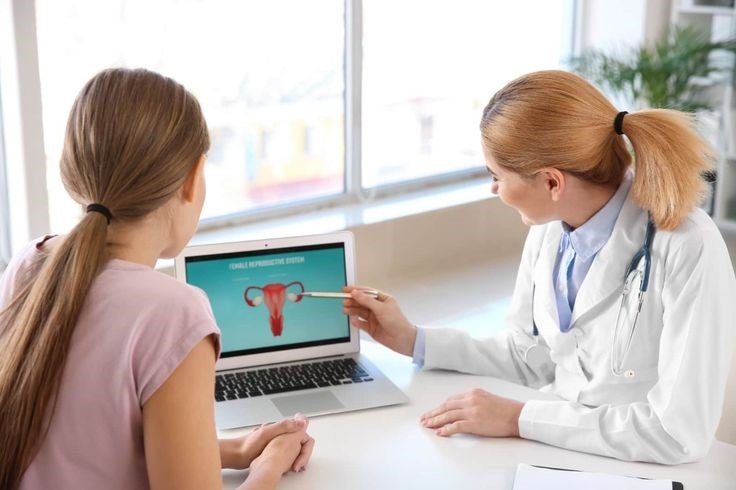
Contraceptive counselling is an
essential healthcare provision which gives people and couples all the
information and advice on methods of birth control. It is meant to help people
make knowledgeable choices about their reproductive health, family planning and
sexual lives. The counselling process does not just list the available options
but focuses on an individual's lifestyle, health history, preferences, and
future family plans. Therefore, it suggests a given choice that would be the
best and most appropriate.
Key indications for seeking contraceptive counselling:
Prevention of Unintended Pregnancy: It is the most popular and the basic sign. Individuals or couples planning to avoid pregnancy either in the short run or the long term require counselling to know the emphasis of the different methods of contraceptives in terms of effectiveness, benefits and risks.
Key indications for seeking contraceptive counselling:
Family Planning and Birth Spacing: Couples who wish to delay their births or have the babies they want should be counselled to adopt methods that they say fit in their long-term reproductive plans, thereby allowing sufficient time to pass between the births of children as well as their mothers to maintain appropriate health status.
Reproductive Health Conditions:There are reproductive health conditions that may be managed by some contraceptive methods, other than preventing pregnancy. As an example, hormonal contraceptives are usually prescribed to control a heavy menstrual flow, excessive pain during period (dysmenorrhea), endometriosis or Polycystic Ovary Syndrome (PCOS).
Before or after pregnancy:Often, preconception counselling also encompasses discussions on contraception in case a woman does not seek an immediate pregnancy. In the same way, contraception after delivery is essential because fertility can come back within a short time after delivering a child, and counselling ensures new parents adopt an effective and safe mode.
Effects of effective contraceptive counselling:
Emowered-Decision Making:People acquire the knowledge and comprehension needed to make the best possible decision about what kind of contraceptive use fits their unique situation, resulting in greater satisfaction and compliance.
Reduced Unintended Pregnancy:Counselling also leads to a significant reduction in unintended pregnancy through making one refer to the use of effective contraception, as well as knowing how to use or be able to use them. This can subsequently result in reduced abortions and better maternal and child health outcomes.
Better Reproductive Health and Well-being:In addition to preventing unwanted pregnancy, the use of contraceptives, especially the use of the hormonal ones, has the potential to contribute positively to overall reproductive health, including alleviating painful periods, acne, and other gynaecological problems, and thus, overall well-being.
Greater Autonomy and Fertility Control:The ability to control fertility is marked by the ability to exercise autonomy over their bodies, reproductive futures, and fertility choices, which may conform to individual life plans, education and career aspirations when using contraceptive counselling.