
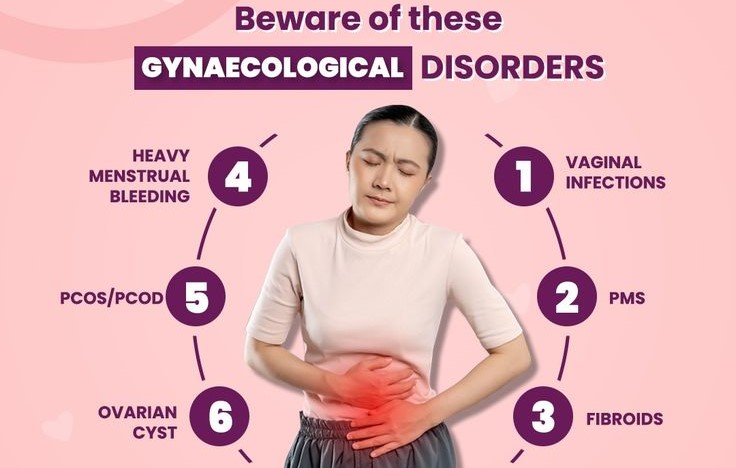
Gynaecological issues span various
conditions that involve the female reproductive system, including the uterus,
ovaries, fallopian tubes, cervix, vagina, and external genitalia. These
concerns may appear in any period of a woman's life, from adolescence to
post-menopause. They may influence the physical state, emotional condition and
quality of life. Understanding these issues is essential so they can be managed
and diagnosed promptly.
Common indications or presenting symptoms that suggest a gynaecological problem:
Abnormal Vaginal Bleeding:: It is a signal when there is any deviation from the normal menstrual condition. These are excessively heavy periods (menorrhagia), very painful periods (dysmenorrhea), irregular bleeding in-between periods (metrorrhagia), or bleeding after menopause, which may indicate such conditions as fibroids and polyps, hormonal imbalances, or more severe conditions such as endometrial cancer.
Common indications or presenting symptoms that suggest a gynaecological problem:
Pelvic Pain: The common gynaecological symptom is chronic or acute pain in the lower abdomen or the pelvis. It may also be mild aches or stabbing, incapacitating pain, and it can signal anything, including endometriosis, pelvic inflammatory disease (PID), ovarian cysts, fibroids, and even ectopic pregnancy.
Vaginal Discharge, Itching, or Odour: Discolouration, consistency, quantity, or quality of vaginal discharge that may be accompanied by itching, burning, or irritation are also good indicators of vaginal infection (e.g. yeast and bacterial vaginosis, STIs) or other vulvovaginal diseases.
Menstrual Cycle:Other than bleeding disturbances, the main alteration in the menstrual cycle, including amenorrhea (loss of period), oligomenorrhea (menstrual period infrequently), or severe premenstrual syndrome (PMS) characteristics, may reflect hormone disorders, PCOS and other underlying gynaecological dysfunction.
Effects of unaddressed gynaecological problems:
Dysfunction of Quality of Life: Chronic, cycle-long pain, heavy bleeding, or ongoing discomfort may devastate the daily life experiences of a woman, interfere with employment output, sex life, and overall spirit. It can cause stress or anxiety and can even trigger depression.
Infertility: Endometriosis, fibroids, PCOS, and pelvic inflammatory disease (causing blocked fallopian tubes) are only some of the gynaecological conditions that are significant causes of infertility or subfertility affecting the ability of a woman to conceive.
Greater Risk of Other Health Complications:There is some risk of other health complications that may be due to gynaecological problems. Examples are that PCOS confers a risk of type 2 diabetes and cardiovascular disease, and untreated STIs can lead to PID and chronic pelvic pain.
Psychological Distress and Relationship Problems:The personal and often intimate nature of gynaecological conditions may be associated with embarrassment and with effects on self-esteem, as well as problems in relationships with partners, all of which can cause severe psychological distress.