
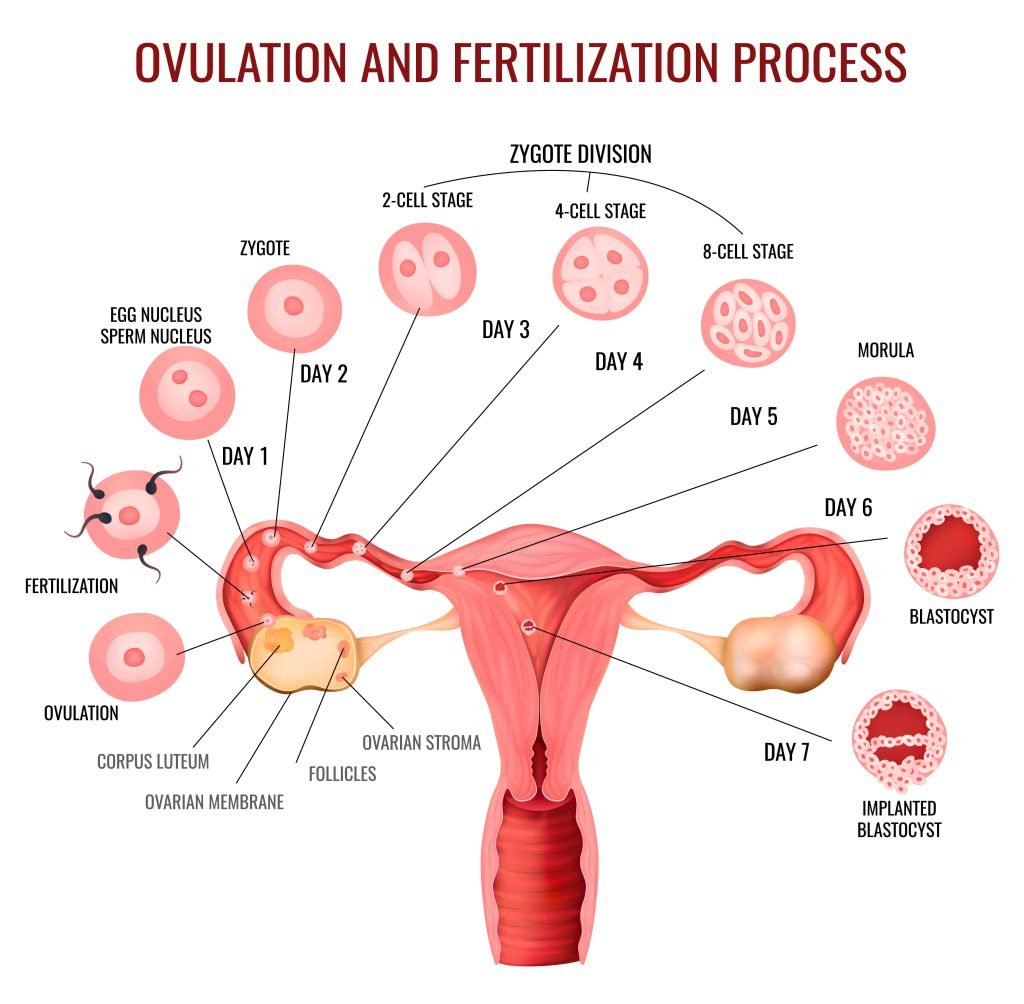
Ovulation studies are diagnostic
tests employed to manage and evaluate the active process of ovulation, the
discharge of a mature egg from the ovary. Such studies are essential in gaining
insight into the reproductive health of a woman, especially in cases of
fertility difficulties. By monitoring changes in hormones and physiological
activity, clinicians can determine whether and when ovulation is taking place,
diagnose possible deviations, and plan further actions.
Key indications for conducting ovulation studies:Infertility Study: This is the most
common cause of study of ovulation. In the cases of a poor conception,
determining the frequency and quality of ovulation is the first task to
determine whether the infertility is related to the anovulatory (deficient
ovulation) cycle or oligo-ovulatory (infrequent ovulation) cycle.
Irregular Menstrual Cycles: Women with erratic and/or missing periods usually go through ovulation Studies to identify the cause of the problem. Polycystic Ovary Syndrome (PCOS), various thyroid problems or hypothalamic amenorrhea are disorders that may interfere with ovulation, and these investigations help diagnose these disorders.
Key indications for conducting ovulation studies:
Timing of Intercourse or Assisted Reproductive Technologies (ART): Couples struggling to conceive without help
may become pregnant more easily through ovulation research, which can accurately determine the fertile period. In the same way, during ART procedures
such as intrauterine insemination (IUI) or in vitro fertilisation (IVF), it is critical to ovulate at the right time to obtain an egg or transfer an embryo.
Ovulation Induction: Ovulation is monitored when women are going through fertility treatments (e.g. ovulation
induction with clomiphene citrate or gonadotropins) by using studies of
ovulation to avoid complications such as ovarian hyperstimulation syndrome
(OHSS) and to provide a safe and effective fertility treatment.
Consequences of an ovulation study:
Diagnosis of Ovulatory Dysfunction:Infertile causes that can be diagnosed using these studies are well-known conditions such as anovulation or luteal phase defect. This specific diagnosis could be used to treat and not to generalise such treatment.
Advice on Treatment Plans: Treatment advice can be designed based on detecting the ovulation period and whether there was ovulation. It can be through the prescription of ovulation-stimulating drugs, making lifestyle alterations, or proposing ART processes, resulting in more proficient and personalised care.
Shorter Time to Pregnancy: In many couples, knowing the fertile window due to the ovulation research may considerably diminish the time frame spanning pregnancy.
Avoidance of Complication:In the monitored ovulation induction cycles, regular study provides an opportunity to avoid complications such as OHSS since there is scope for intervening doses of medication to facilitate patient safety and maximise treatment outcomes.