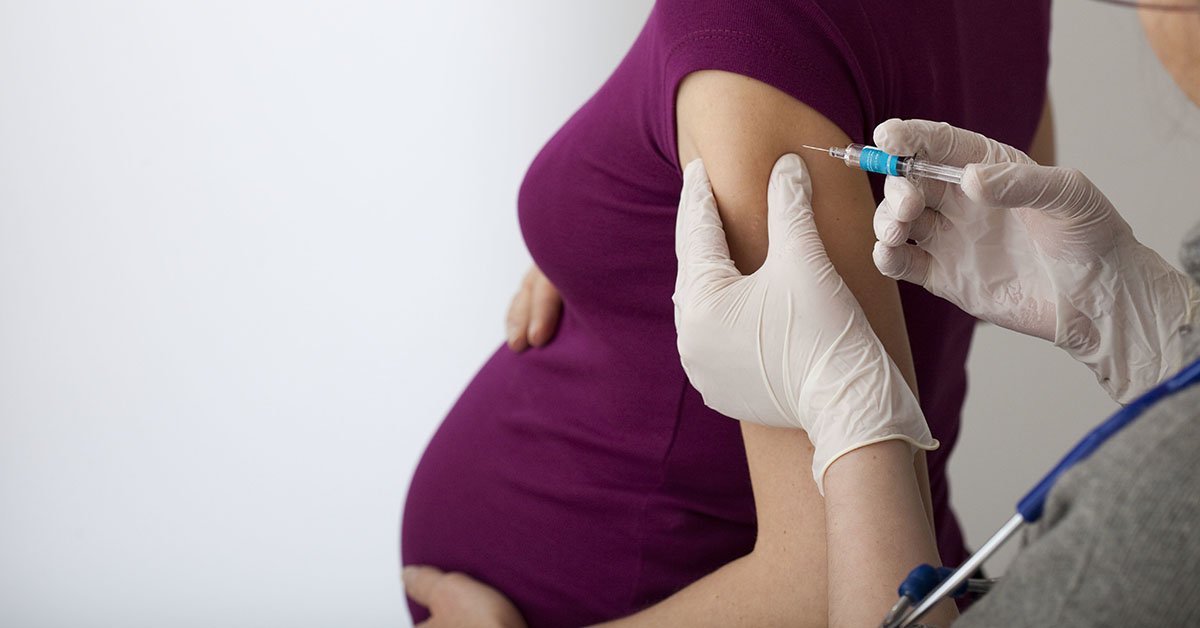
Pregnancy vaccination happens when
certain mothers get particular vaccines to protect the pregnant patient and the
growing infant against severe communicable diseases. This plan builds on the
physiological relationship between the mother and the fetus, whereby the mother
produces antibodies in the immune system, which cross the placental barrier to
offer passive immunity to the infant. This is especially important because
infants are too young to get most of the routine immunisations during their
initial months of life, especially when they are susceptible to serious
infections.
Key indications for pregnancy vaccination:
Prevention of Severe Maternal Illness:Pregnancy causes changes to the immune system of a woman, and she becomes vulnerable to severe illness and complications caused by some infections, such as influenza and the SARS-COV-2 virus or COVID-19. It is suggested that vaccination against them is a solution that would save the mother against the risk of being hospitalised, labour prematurity, or even childbirth itself.
Prevention of Neonatal Infections:They play key roles in protecting the newborns against severe infections through the Tdap (Tetanus, diphtheria, acellular pertussis) vaccine. Pertussis, also known as whooping cough, is life-threatening to infants, and maternal vaccination helps give necessary antibodies that safeguard the child until they can be immunised.
Respiratory Syncytial Virus (RSV) Prevention in Infants:The RSV vaccine is relatively new, and pregnant people receive it to transfer antibodies to prevent severe RSV in their newborn, which is one of the most frequent causes of lung infections and hospital admissions in infants during their first six months of life.
Specific Travel or Exposure Risks:Extra vaccinations may be indicated to prevent illnesses such as hepatitis B or specific infections related to travel, and the theoretical risk of the vaccine in pregnancy may be outweighed by the risk of infection associated with travel or exposure to the disease.
Effects of pregnancy vaccination:
Passive Immunity on the Newborn:The main fact is that protective antibodies of the mother who got the vaccine are conveyed into the fetus through the placenta. This offers the baby essential early protection against certain diseases, which lasts several months after delivery when the baby is most susceptible to infection.
Minimised Maternal Morbidity and Mortality:Vaccinating against diseases such as flu and COVID-19 makes the pregnant individual highly unlikely to be seriously ill, have complications, be hospitalised, or have an adverse pregnancy development caused by the infection.
Reduced Risk of Hospitalising and Killing the Infant:In illnesses such as whooping cough and RSV, it translates directly that maternal vaccination reduces the risk of the infant developing the severe form of the disease and hence a decrease in hospitalisations, intensive care, and even infant deaths in sensitive premature babies.
Herd Immunity:As pregnant people are vaccinated, it helps to create community immunity, indirectly protecting those who have no chance to receive the vaccination (very young children) by decreasing the transmission of infectious diseases.